Plan it well
every stepGuides for every couple, wherever you marry: start with the planning guides, find your traditions, then the local rules for your country.
Start here
How to make a wedding website
What to put on it, when to share it, how to collect RSVPs, and keeping it private.
Wedding invitation wording
Who is hosting, the order of the details, RSVP and dress code lines, and examples you can change.
How to plan a wedding, step by step
The order that works anywhere: from first decisions to the last week, and what to do at each stage.
Wedding budget breakdown
How wedding budgets usually split, in any currency, and the decisions that change it most.
Planning a destination wedding
Choosing the place, the legal side, guests who travel, and planning from another country.
Planning an elopement
A small ceremony for two (or ten): choosing the spot, permits, witnesses and the timing of the light.
Planning a multi-day wedding
Several events over several days: who is invited to what, timings, outfits and keeping everyone informed.
Choosing your officiant or celebrant
Civil, religious or celebrant-led: what an officiant does, what to ask, and the paperwork they handle.
Wedding day timeline templates
Six sample days, from a classic afternoon to an elopement, with times you can move.
Questions to ask a wedding venue
What to ask at every viewing, and what the venue needs from you.
Cultural and faith traditions
Planning a Filipino wedding
Most Filipino weddings are Catholic church weddings layered with Filipino rites: sponsors, candle, veil, cord and coins.
Planning an Indian Hindu wedding
A Hindu wedding (vivaha) is a sacrament performed before a sacred fire, usually spread over several days of family events.
Planning a Sikh wedding (Anand Karaj)
Anand Karaj ("blissful union") is the Sikh marriage ceremony, held in a gurdwara before the Guru Granth Sahib.
Planning a Muslim wedding (Nikah)
The Islamic marriage is the nikah: a contract made by offer and acceptance with the bride's consent, a mahr (a gift from groom to bride that is hers alone).
Planning a Chinese wedding
Chinese weddings centre on honouring family: betrothal gifts, fetching the bride, serving tea to elders and a celebratory banquet.
Planning a Samoan wedding
Most Samoan weddings are Christian church services followed by a large reception shaped by fa'a Samoa: oratory, gift presentation, feasting and dance.
Planning a Tongan wedding
Tongan weddings combine a Christian church service with the display and exchange of koloa (ngatu barkcloth and fine mats), feasting and dance.
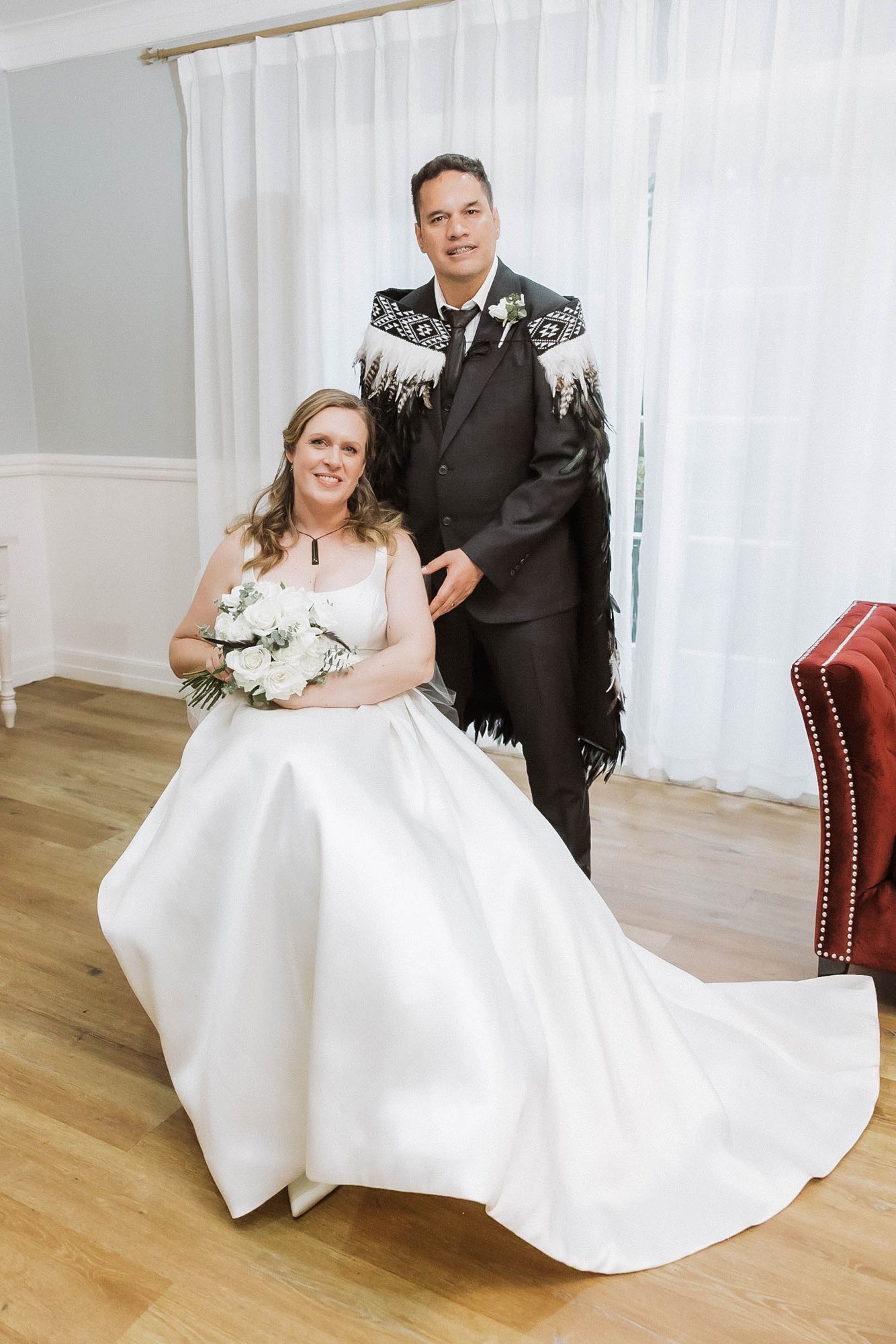
Planning a Māori marae wedding
Te Ara records that traditional Māori society had no single marriage ceremony; unions were marked by gifts and, for chiefly marriages, great feasts.
Planning a Jewish wedding
A Jewish wedding takes place under a chuppah (a canopy symbolising the couple's home), with a ring, a marriage contract (ketubah), seven blessings and the breaking of a glass.
Planning a Catholic church wedding
Catholic marriage is a sacrament celebrated in a church before a priest or deacon, either within a nuptial Mass or as a ceremony without Mass.
Planning a Greek Orthodox wedding
The Orthodox wedding has two parts, the Betrothal (rings) and the Crowning.
Planning a Korean wedding
Many Korean couples hold a short modern ceremony, then a pyebaek (폐백): a family rite in hanbok where the newlyweds bow to elders and receive blessings.
Planning a Vietnamese wedding
Vietnamese weddings honour ancestors and elders through an engagement ceremony and a wedding-day procession, with tea served at the family altar and then a banquet.
Planning a Japanese Shinto wedding
A Shinto wedding (shinzen shiki) is a short ceremony of about 20 to 30 minutes led by a Shinto priest, at a shrine or in a shrine room inside a hotel or wedding hall.
Planning a Nigerian wedding (Yoruba and Igbo)
Nigerian couples commonly hold a traditional wedding between the two families, often followed by a church, mosque or civil wedding on another day.
Blending two cultures in one wedding
There is no single right way. The first decision is one fused ceremony or two, made early with both families.
Local guides: getting married in…
New Zealand
To marry in New Zealand you book a registered celebrant and get a marriage licence at least 3 working days before the wedding. You do not need to live in New Zealand or be a citizen, so overseas visitors can marry here.
- How to plan a wedding in New Zealand
- Wedding budget breakdown for New Zealand
- Choosing a wedding celebrant in New Zealand
Australia
To marry in Australia you give a Notice of Intended Marriage to an authorised celebrant at least one month before the wedding, then marry in front of the celebrant and 2 adult witnesses. You do not have to be an Australian citizen or resident, so overseas visitors can marry here.
Read the Australia guide →Philippines
Couples get a marriage licence from the local civil registrar (LCR), then marry in a civil or religious ceremony. The marriage is registered with the LCR and later with the Philippine Statistics Authority (PSA).
Read the Philippines guide →India
Couples marry under their religion's personal law (for example, Hindu rites under the Hindu Marriage Act) and then register, or have a civil wedding before a Marriage Officer under the Special Marriage Act, 1954. Mixed-faith and Indian-foreigner couples usually use the Special Marriage Act, and the rules and forms vary by state.
Read the India guide →Indonesia (Bali)
A legal wedding in Bali needs a ceremony in a recognised religion that you both share, then registration with the civil registry (Catatan Sipil / Dukcapil), with notice lodged about 10 days ahead. Because of the shared-religion rule and the paperwork, many foreign couples marry legally at home and hold a symbolic ceremony or Balinese blessing in Bali.
Read the Indonesia (Bali) guide →Fiji
Foreign visitors can marry legally in Fiji with a special licence from the Registrar General's office (Births, Deaths and Marriages), applied for in person a few working days before the wedding. Many couples marry legally there, and some do the legal part at home and hold a symbolic beach or island ceremony in Fiji.
Read the Fiji guide →United Kingdom
The UK has three marriage systems: England & Wales, Scotland and Northern Ireland, each with its own notice rules and registrars. In every system you give formal notice weeks ahead, marry at a venue you named in advance, and have two witnesses sign.
Read the United Kingdom guide →United States
Marriage law in the US is set by each state, and you get a marriage licence from the local county or city clerk. Most states have no residency or citizenship rule, but waiting periods, how long a licence lasts, fees and witness rules differ from place to place.
Read the United States guide →City guides are on the way. Rules change, so each country guide shows when it was last checked and links to the official sources.